What happened:
Like many other government leaders around the world, the Governor of Michigan, Gretchen Whitmer, implemented strict lockdowns in an attempt to control the spread of COVID-19.
Using executive orders, Whitmer has for the past seven months demanded everyone wear masks in public spaces, forced restaurants to operate at 50% capacity, prohibited non-essential medical procedures, closed gyms, and banned private gatherings of more than 10 people.
At one point, Whitmer even banned stores from selling plant seeds and gardening supplies, because she decided they were not necessary purchases.
But last week those rules were struck down by the Michigan Supreme Court. The ruling said that the governor did not have the authority to extend the emergency rules longer than 28 days without the approval of the legislature.
In other words, Governor Whitmer’s orders since April 30th have been an illegal government overreach.
What this means:
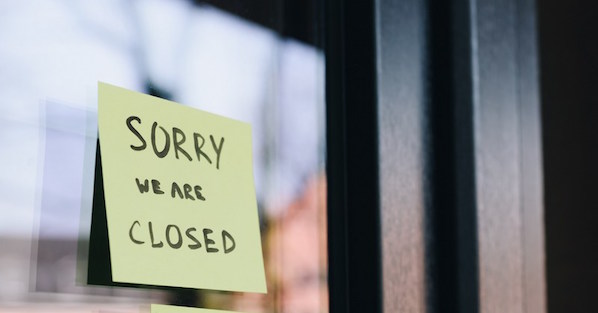
How many businesses went under in the five months of unconstitutional orders? By some estimates, 58% of small businesses will remain closed permanently due to COVID-19 lockdowns.
Lawsuits against the state of Michigan from doctors and businesses have already helped strike down the illegal lockdown rules. It is less likely that the courts will award affected businesses damages, or hold the government in any significant way accountable for illegally restricting residents.
And it is impossible that all the residents of Michigan who endured the illegal orders will be somehow compensated for this complete overreach of government power.
What you can do about it:
We could still have a long way to go before COVID-19 disappears as an excuse for power hungry governors to seize control.
And even then, other “emergencies” could easily allow governments to seize the same types of power. The precedent has been set, and the people complied.
But now that we know which states and countries used COVID-19 as an excuse to turn tyrannical, we can vote with our feet.
So rather than participate in endless lawsuits and protests against government lockdown orders, you may want to consider moving to a place where the government doesn’t exert so much control over your life.
States with the least restrictive COVID-19 lockdowns: South Dakota, Idaho, and Utah currently have the fewest COVID-19 related restrictions.
Two Sovereign Man team members live in this region, and Simon recently visited it as well. They all report that life essentially went on as normal here during the pandemic.
South Dakota and Utah were also among the seven states which never issued orders demanding residents stay home and refrain from non-essential activities, even in March and April.
The other five states were: Arkansas, Iowa, Nebraska, North Dakota, and Wyoming.
Of these states, only South Dakota never ordered businesses to close.
You can see the pattern: the middle northwest of the US was the least restrictive on residents. States in this region seized the fewest emergency powers.
These states also tend to be less restrictive in general– more lax gun laws, less business regulation, and even some of the best food freedom laws in the country.
If you like a government that leaves you alone and stays out of your business, you might want to take a look at this region.
Best countries to avoid COVID-19 lockdowns: Mexico is a good pick for where to avoid strict lockdowns internationally, and still cover other Plan B items, like permanent residency that can lead to citizenship and a second passport.
Mexico also still allows US passport holders to enter the country, unlike many countries around the world.
A Sovereign Man team member escaped Chile’s extreme lockdowns to spend time in Playa del Carmen this summer. There, life was relatively normal. And it’s in an area of Mexico where the crime rate compares to Wyoming.
If you’re a Sovereign Man Confidential member, you can read the alert here.
Sweden has been touted as one of the least restrictive countries when it comes to COVID-19. However, it has a high tax burden, and doesn’t tick many other Plan B boxes as a good candidate to move to.
In the end, whatever country or state you live in, the best bet to avoid strict COVID-19 lockdowns might be to choose a more rural place to live.
That should allow you to avoid total house arrest, and continue your life as normal, without the prying eyes of neighbors and government officials.
